Read one at a time, the newest European funding calls look like deal flow. Read together — defence bundled with quantum, climate with grids, data with trust, research infrastructure with geopolitics — they reveal a structural shift. Europe's funders have stopped buying projects and started buying orchestration.
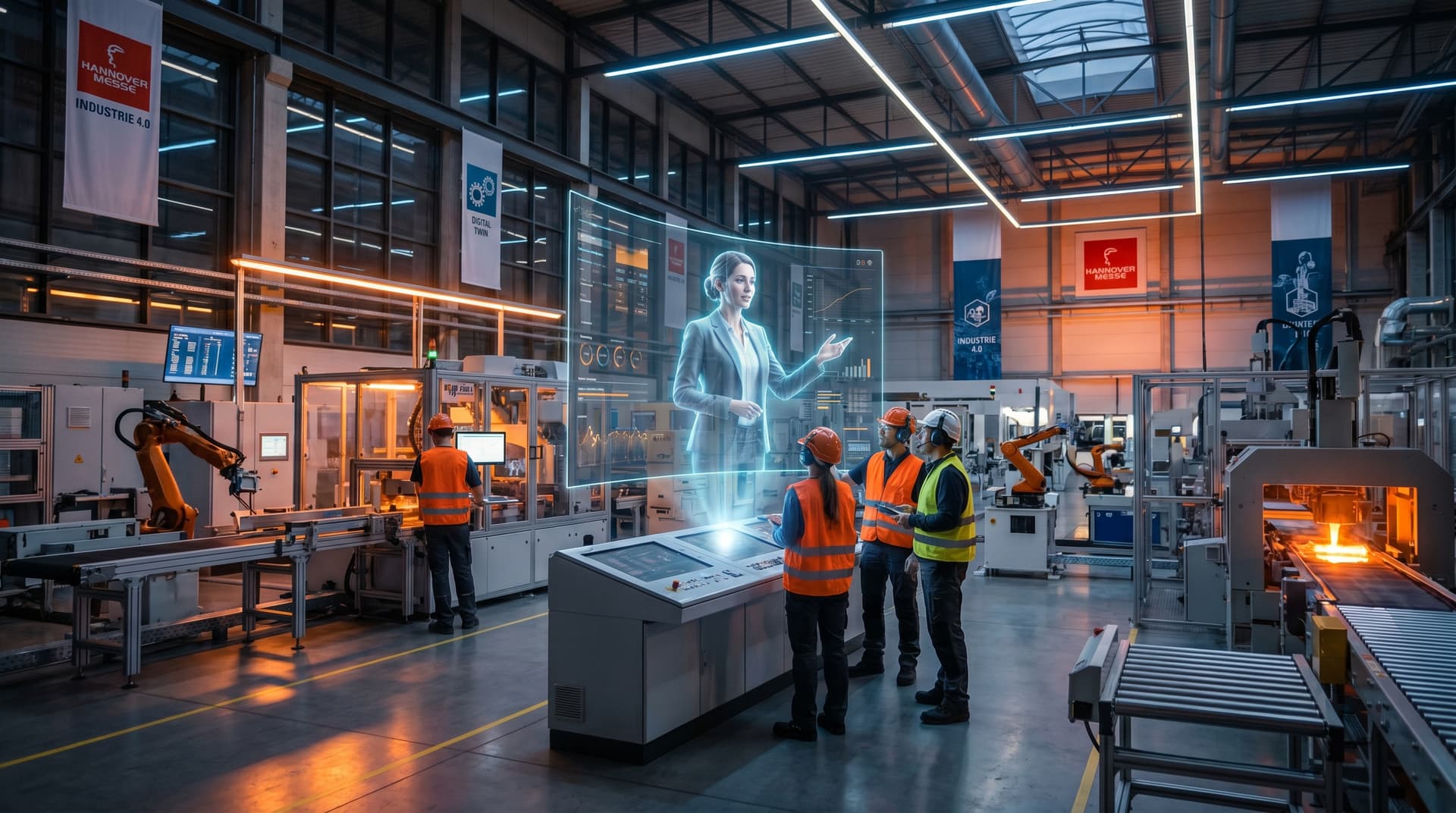
Hannover Messe 2026 closed with a verdict: delay in adopting Industrial AI is now a strategic liability. Fraunhofer AI digital teammates, a 64-partner photonics consortium, €211M for graphene AI interconnects, and a €100M SME guarantee reveal the architecture of Europe’s industrial AI conversion — and the constraints it must still overcome.
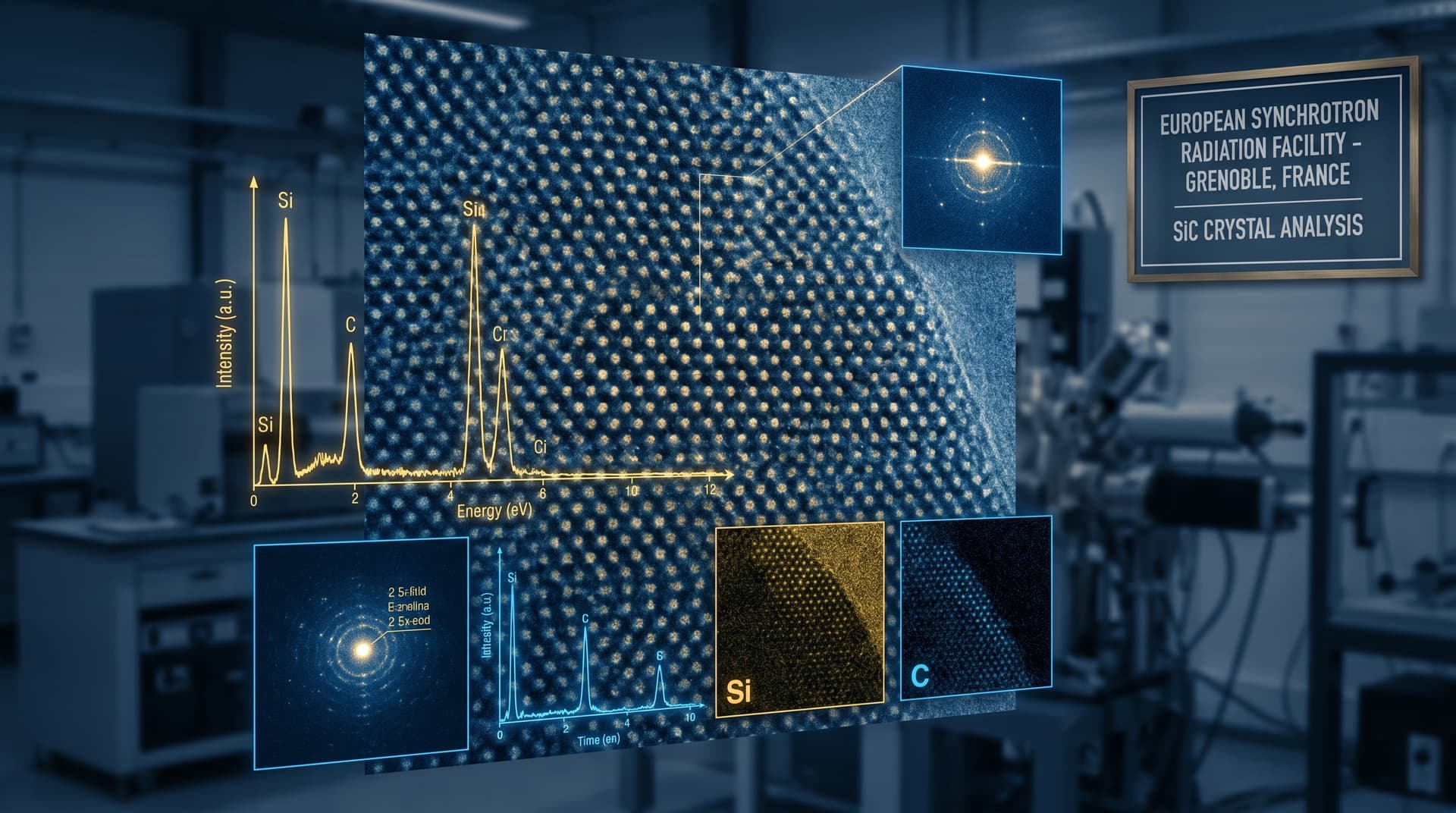
On 21 April, EU scientific advisors handed Commissioner Zaharieva a 31-pathway blueprint for an Advanced Materials Act — the first time Europe treats materials as a legislative priority on par with AI and chips. Combined with Bosch’s SiC volume production, Fraunhofer’s 1m² nanolithography, and eight institutes’ circular-economy showcase, a coherent European materials autonomy strategy is coming into focus.
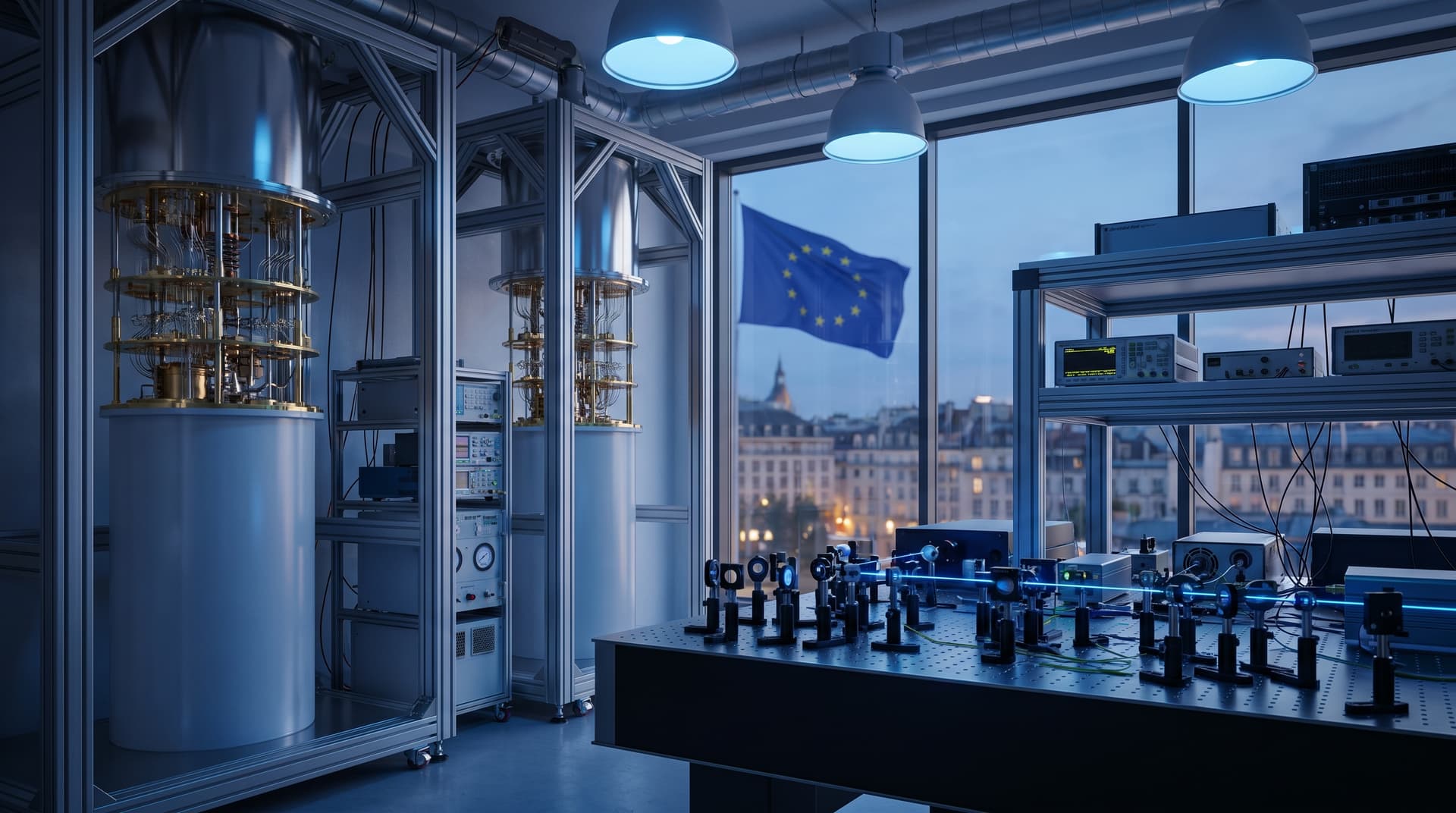
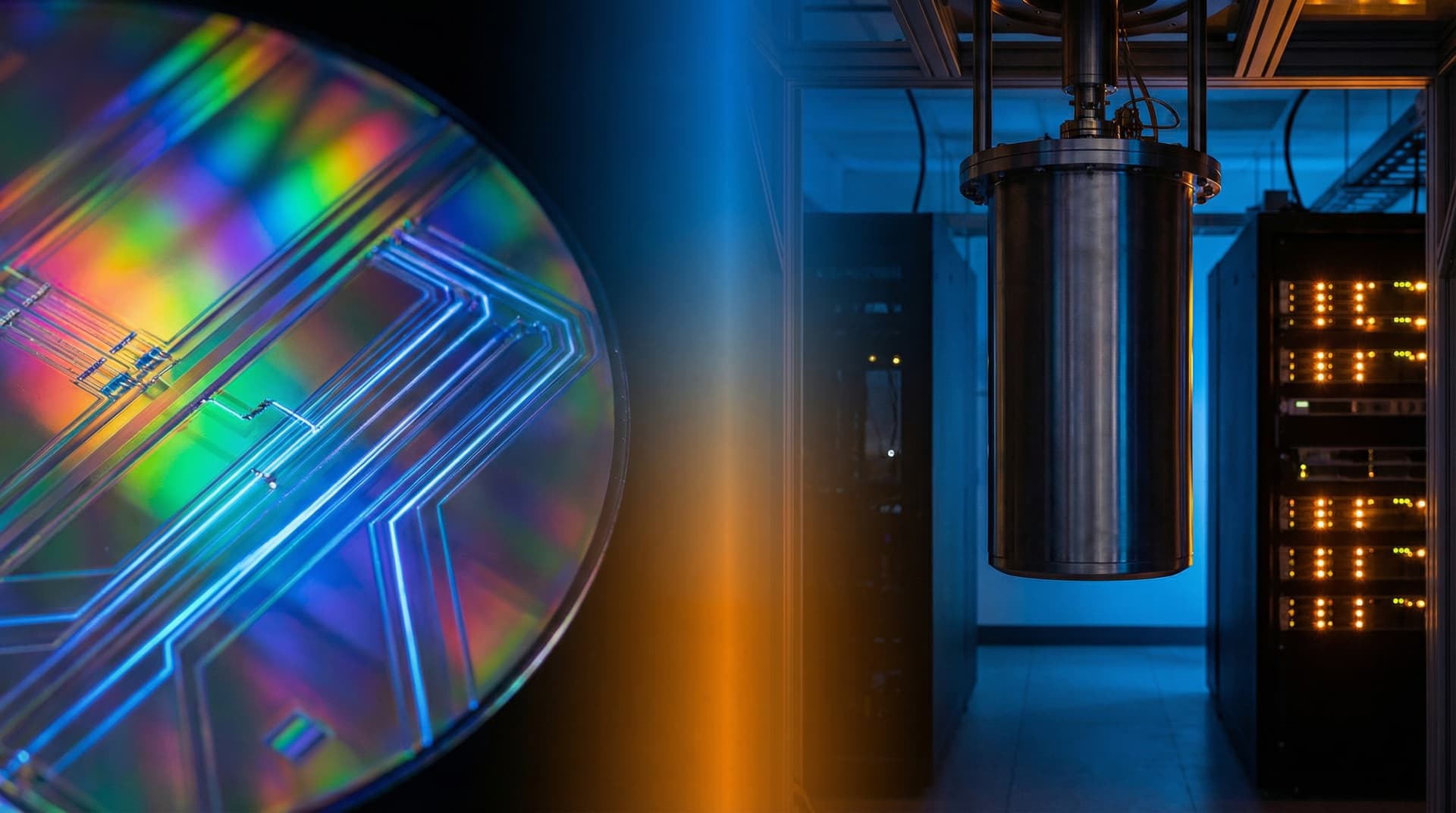
In a single April week, two independent European teams cleared the fault-tolerance threshold for quantum computing — with back-to-back Nature papers from Max Planck and ETH Zurich — while the EU suspended three Horizon quantum calls without warning. What the emerging supply chain and the policy paradox reveal about where European quantum now stands.
From atom-beam lithography in Bergen to a 54-qubit computer in Munich and a mandate to train Europe's own frontier AI model, the fortnight of March 18–28 reveals the architecture of Europe's sovereign compute stack.
The people building the future of research infrastructure need a place to talk openly — about what they're learning, what AI is really changing in science, and what researchers actually need. That place is Pulse. We're just getting started.
A live command center for the global research funding landscape. Executive dashboard, urgency heatmaps, AI-generated insights, and more.