


Featured News
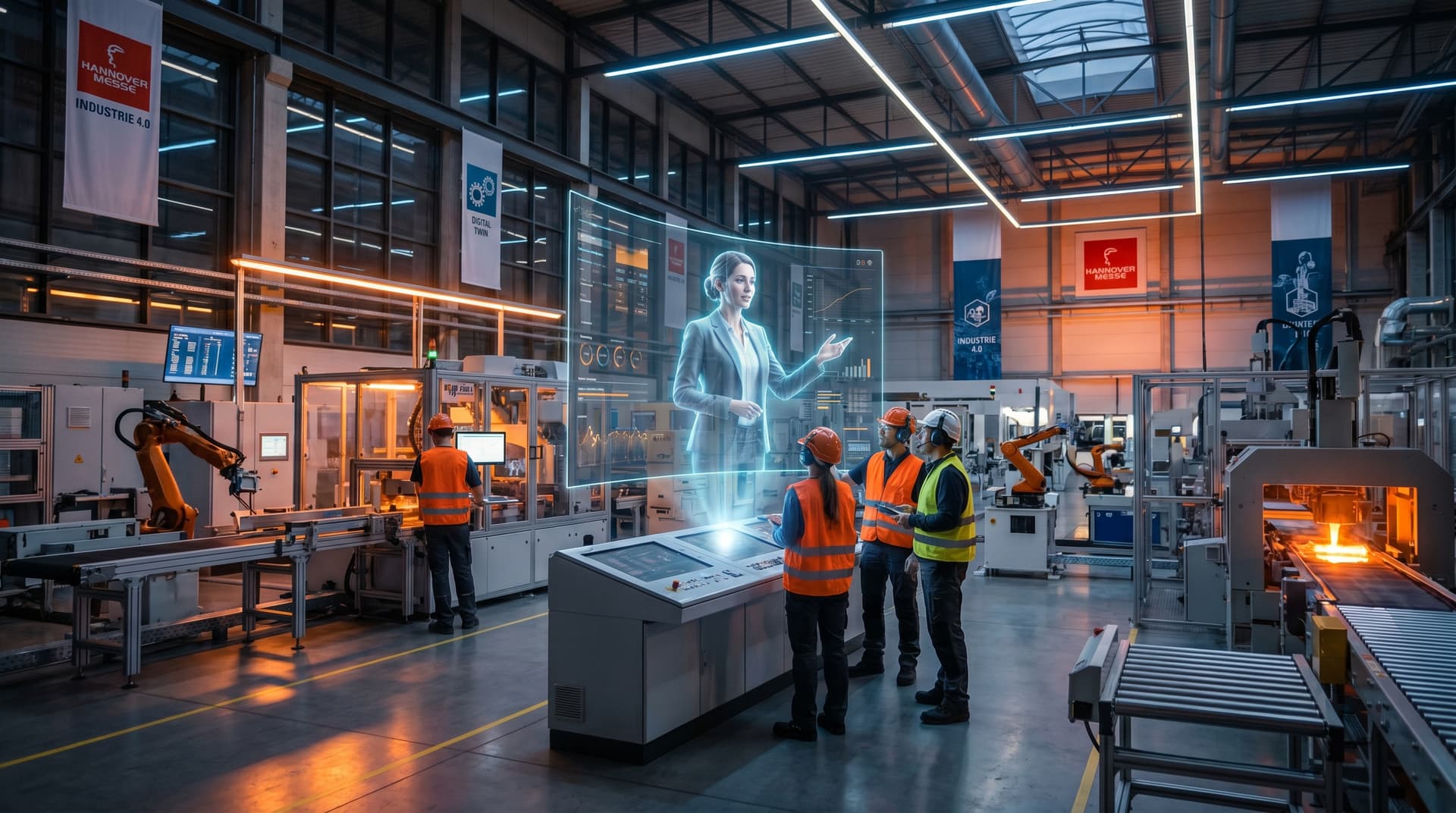
Hannover Messe 2026 closed with a verdict: delay in adopting Industrial AI is now a strategic liability. Fraunhofer AI digital teammates, a 64-partner photonics consortium, €211M for graphene AI interconnects, and a €100M SME guarantee reveal the architecture of Europe’s industrial AI conversion — and the constraints it must still overcome.
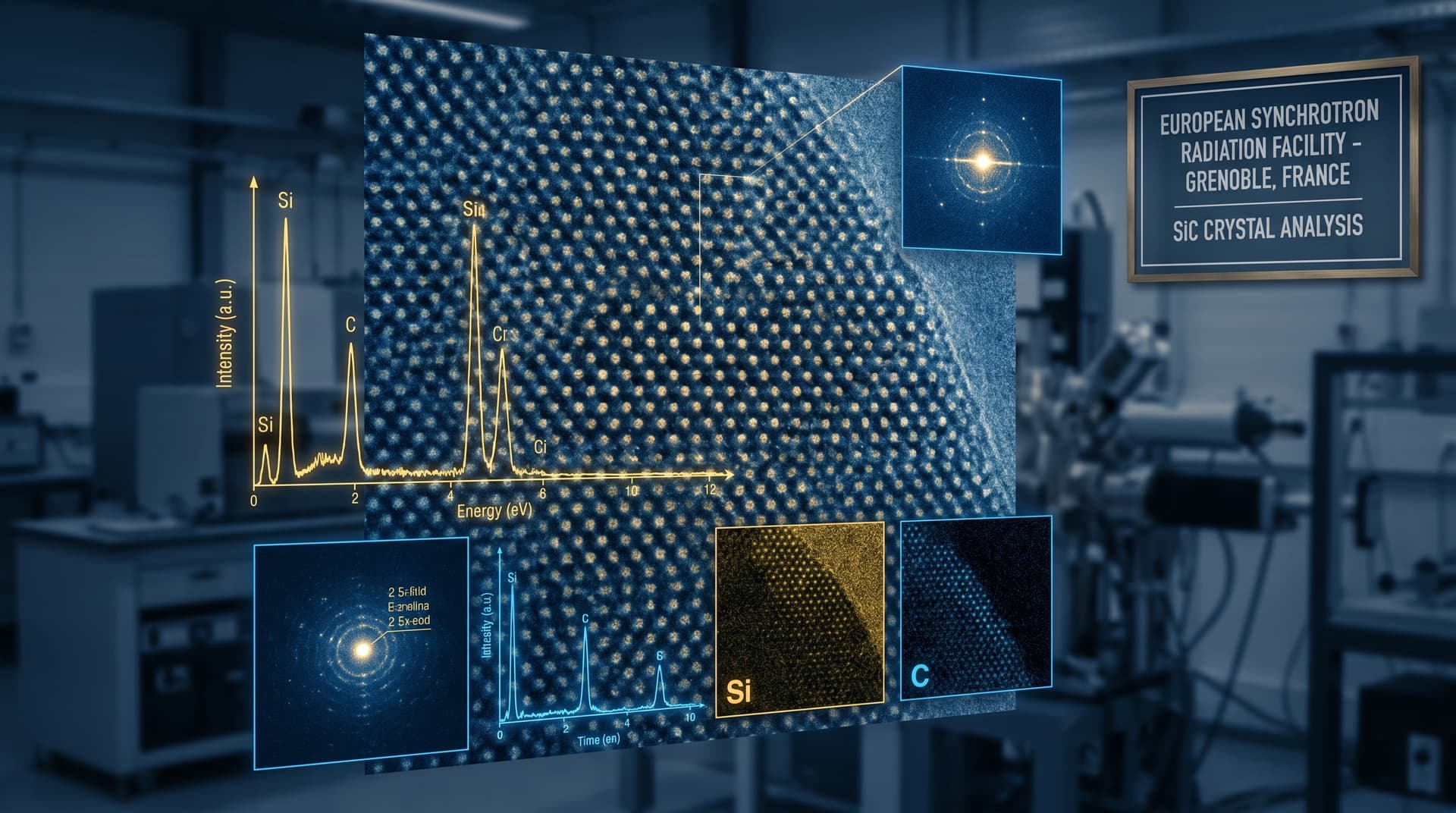
On 21 April, EU scientific advisors handed Commissioner Zaharieva a 31-pathway blueprint for an Advanced Materials Act — the first time Europe treats materials as a legislative priority on par with AI and chips. Combined with Bosch’s SiC volume production, Fraunhofer’s 1m² nanolithography, and eight institutes’ circular-economy showcase, a coherent European materials autonomy strategy is coming into focus.
In a single April week, two independent European teams cleared the fault-tolerance threshold for quantum computing — with back-to-back Nature papers from Max Planck and ETH Zurich — while the EU suspended three Horizon quantum calls without warning. What the emerging supply chain and the policy paradox reveal about where European quantum now stands.
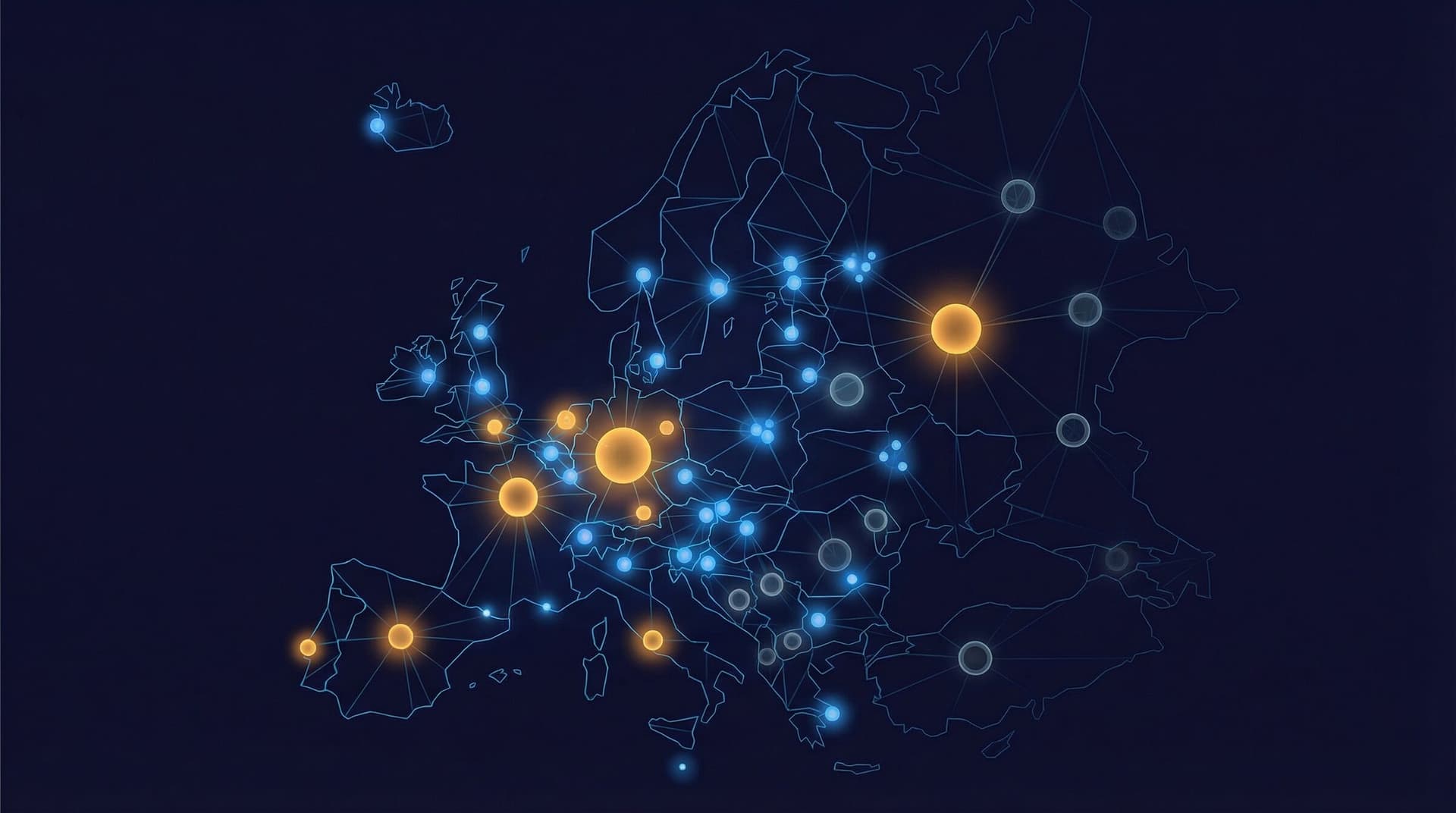
From atom-beam lithography in Bergen to a 54-qubit computer in Munich and a mandate to train Europe's own frontier AI model, the fortnight of March 18–28 reveals the architecture of Europe's sovereign compute stack.
From AI copyright levies to defence venture capital, pandemic preparedness to semiconductor training, a month of European policy reveals not scattered initiatives but the deliberate assembly of a five-layer strategic capacity system.
From AI chips to rocket launchers, 6G networks to hydrogen storage, a single week of European deep tech activity reveals a deliberate pivot toward hardware sovereignty.
In a single week, the EU committed billions to deep tech, delayed its own AI rules, and was told by its own auditors that its flagship innovation fund has barely disbursed. What is going wrong?